
How to Plan, Choose, and Maintain Outdoor Park Furnishings: A Complete Guide for Park Managers
What Are the Best Furnishings for Outdoor Parks and Recreation Spaces?
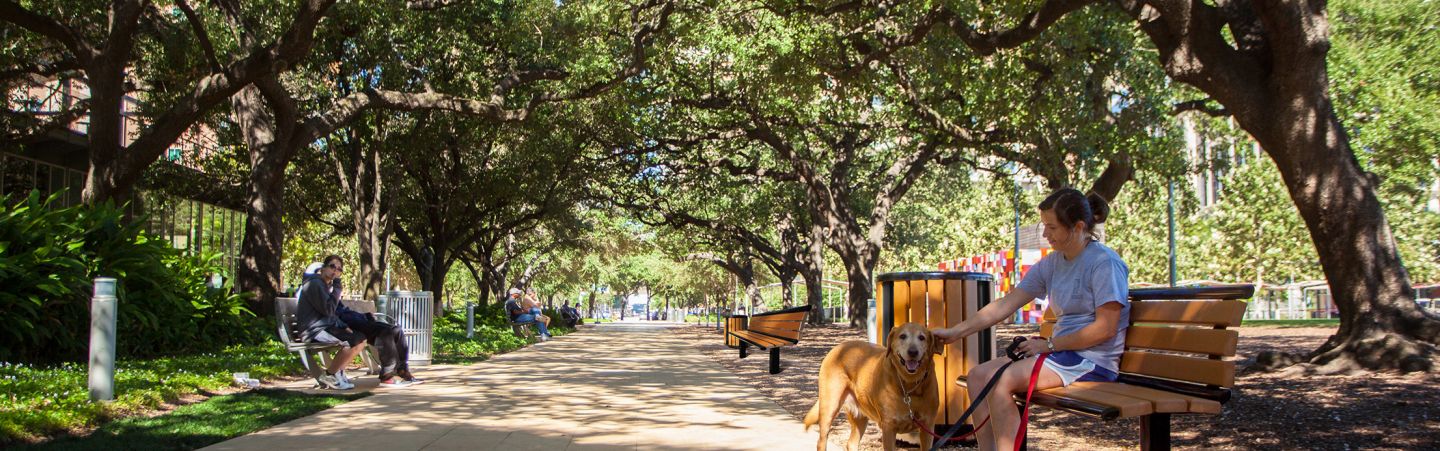
Park planners should think beyond aesthetics when selecting outdoor furnishings. The goal is to create a versatile, welcoming environment that serves the full range of activities and people in your community, from families gathering under a pavilion shelter to cyclists stopping for a quick break on the trail.
The most commonly needed outdoor site furnishings include:
- Benches - for resting, socializing, and transitional moments (like changing shoes after a bike ride)
- Picnic tables - for dining, gatherings, and multi-generational use
- Trash receptacles - positioned strategically to promote responsible waste disposal
- Bike racks - essential wherever cyclists frequent the space
- Grills and fire rings - for parks with cooking or fire-gathering areas
- Lantern hangers - for evening ambiance and lighting support
- ADA-accessible tables - required in any public space to ensure equitable access for visitors using mobility devices
The right mix of furnishings depends on how your patrons will actually use the space. The best approach is to mentally walk through common user scenarios before finalizing your layout. We offer a wide range of furnishings for park settings, benches, picnic tables, trash receptacles, grills,fire rings, lantern hangers, bike racks and more!
How to Arrange Outdoor Park Furnishings: Layout Best Practices
Smart furniture placement is just as important as product selection. Here's how to think about layout for the most common outdoor settings:
Trail and Bike-Path Rest Areas
If your park or greenway attracts a significant number of cyclists, plan your furnishings as a complete rest ecosystem:
- Provide ample bike parking at the trailhead or rest stop
- Place benches adjacent to the bike racks so riders can sit while changing shoes or taking a break
- Position a trash receptacle nearby so visitors can dispose of snack wrappers and waste without leaving the area
This kind of sequenced thinking, anticipating what a visitor needs next, keeps your park clean and creates a genuinely comfortable experience.
Outdoor Pavilions and Picnic Shelters
Pavilions are among the highest-traffic spaces in any park system, serving friends, families, and community groups across generations. Getting the layout right requires attention to several factors:
Accessibility from arrival to seating. Ensure accessible parking is nearby and that the route from the parking area to the pavilion is clear, paved, and free of obstacles. Once inside the pavilion, incorporate tables designed for visitors using wheelchairs or mobility devices, this isn't just a legal requirement, it's good design.
Spacing between tables. Overcrowded pavilions feel chaotic and create barriers for visitors with mobility challenges. Adequate space between tables allows for easy movement and fosters a welcoming, relaxed environment.
Trash receptacle placement. Strategically placed receptacles, not just one at the exit, make it easy for visitors to dispose of waste throughout their visit. Fewer steps to the nearest bin means a cleaner park.
Unique Outdoor Furnishing Ideas That Help Parks Stand Out
Looking for ways to differentiate your park and build community pride? Personalized and creative furnishings can transform a standard recreational space into a true destination.
Personalized Engravings and Memorial Benches
Benches with personalized engravings, whether honoring a community member, commemorating a local milestone, or simply adding a welcoming message, give park-goers a sense of connection and ownership. These details make a park feel like it belongs to the community.
Game-Top Picnic Tables
Picnic tables with built-in game surfaces (chess boards, checkerboard patterns, etc.) invite visitors to linger, play, and interact. They're especially effective in high-traffic parks where you want to encourage longer visits and social interaction.
Swinging Benches and Dynamic Seating
Dynamic seating options like swinging benches create a playful, relaxed atmosphere. They encourage visitors to slow down, stay longer, and enjoy the space, exactly what a thriving park needs.
Thematic and Interactive Signage
Creative signage does double duty: it helps visitors navigate the park and contributes to its character. Consider incorporating:
- Historical facts or local anecdotes relevant to the park's location
- QR codes linking to additional information, trail maps, or community resources
- Interpretive signage that turns a walk through the park into a learning experience
These elements elevate the park from a recreational amenity to a cultural and educational space, and give visitors a reason to come back.
How to Maintain Outdoor Park Furnishings: What Every Park Manager Should Know
Even the most durable outdoor furniture requires attention. A consistent maintenance program protects your investment, and extends the life of your furnishings.
Inspection Schedule
At minimum, park furnishings should be inspected every six months for:
- Signs of wear or structural fatigue
- Loose or missing hardware
- Vandalism or graffiti damage
High-use areas (busy pavilions, heavily trafficked trail benches), may require more frequent checks. Catching minor issues early prevents them from becoming safety hazards or costly replacements.
Material Selection: What to Know Before You Buy
There are many material options on the market for outdoor site furnishings, and most are reasonably comparable in terms of durability. The exception worth noting: specialty woods often carry specific maintenance requirements (staining, sealing, and refinishing) that can add significantly to your long-term upkeep costs. Factor that in during the procurement process.
Why Thermoplastic Coating Is the Gold Standard for Outdoor Furniture
For parks and recreation managers who want maximum durability with minimal maintenance, thermoplastic-coated steel is the most resilient finish available for outdoor furniture.
Here's why the process matters: the thermoplastic coating is applied to steel that has been heated to nearly 300°F, then allowed to cool into a tight, glossy bond. That bond is:
- More resistant to cutting and vandalism than standard paint finishes
- UV-stable — it won't fade under harsh sun exposure the way painted surfaces will
- Easier to clean — graffiti and surface damage can often be addressed on-site
Removing Graffiti from Thermoplastic-Coated Furniture
Graffiti is an unfortunate reality for any public park. For thermoplastic-coated surfaces, the cleanup process is straightforward:
- Spray the affected area with a penetrating fluid such as WD-40
- Allow it to sit briefly to dissolve the ink or paint
- Wipe clean - the original finish underneath remains intact
Most graffiti removal can be handled on-site without specialized equipment. For more severe damage or different material types, contact your supplier for guidance specific to your product.
Key Takeaways for Park Planners and Managers
Designing and maintaining outdoor recreational spaces comes down to three principles:
- Plan for how people actually use the space - anticipate the visitor journey and furnish accordingly
- Design for everyone - accessibility isn't an afterthought; it's the foundation of good public space design
- Invest in durable, low-maintenance materials - thermoplastic-coated steel offers the best long-term value for high-use public environments
When outdoor spaces are thoughtfully furnished and well-maintained, they become places communities return to again and again. The details - a well-placed bench, a personalized engraving, a clean and accessible pavilion - are what turn a park into a destination.
UltraSite specializes in commercial and municipal outdoor site furnishings, including benches, picnic tables, trash receptacles, bike racks, grills, and more. Contact us to discuss your next project.